







Search Results for: 1-Liter Coffee

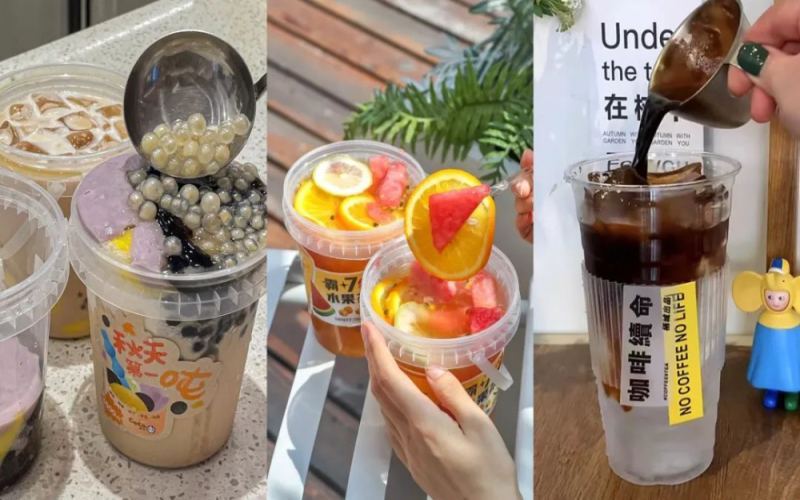
From 5-liter giant buckets to 1-liter portable packs: How bucket tea drinks became this summer's new trend
This summer, bucket-sized fruit teas quietly took over milk tea shop menus. From Heytea and Nayuki to ChaPanda and CoCo, major brands have rolled out 1-liter or even larger bucket drinks, attracting consumers with high cost-performance. Bucket tea drinks are nothing new—back in 2019, they went viral thanks to Jay Chou fan support, and in 2020 Nayuki even launched a 5-liter "mighty bucket." However, issues like the short optimal drinking window and rapid bacterial growth in bucket tea drinks cannot be ignored. From giant buckets to portable packs, what evolution has bucket tea drinks undergone? And why have this summer's bucket fruit teas made a comeback? This article will break it all down for you. [more…]
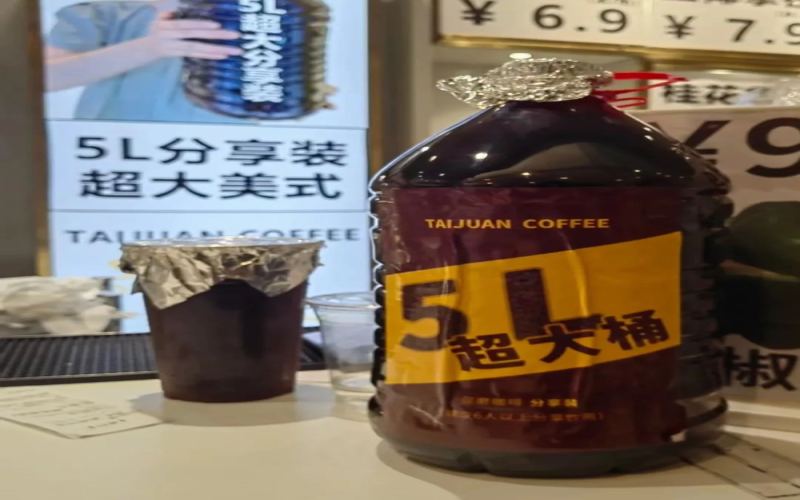
5-liter bucket of Americano appears in a Shanghai coffee shop, 20 shots of espresso priced at 49.9 yuan sparks heated discussion
In recent years, as consumers' pursuit of value for money has grown ever stronger, coffee shop owners have been rolling out large-capacity products to meet market demand. A coffee shop in Shanghai recently launched a 5-liter Americano priced at 49.9 yuan, containing 20 shots of espresso, sparking widespread discussion online. This product is designed for multi-person sharing scenarios, offering a convenient option for occasions such as overtime work in the office and gatherings, while also drawing attention to the store thanks to its striking visual impact. From extra-large cups to 1-liter sizes, and now to today's 5-liter buckets, XL-sized coffee is gradually becoming a new trend against the backdrop of consumption downgrading. This article will walk you through the details of this product, netizens' reactions, and related recommendations from the Front Street Coffee brand. [more…]
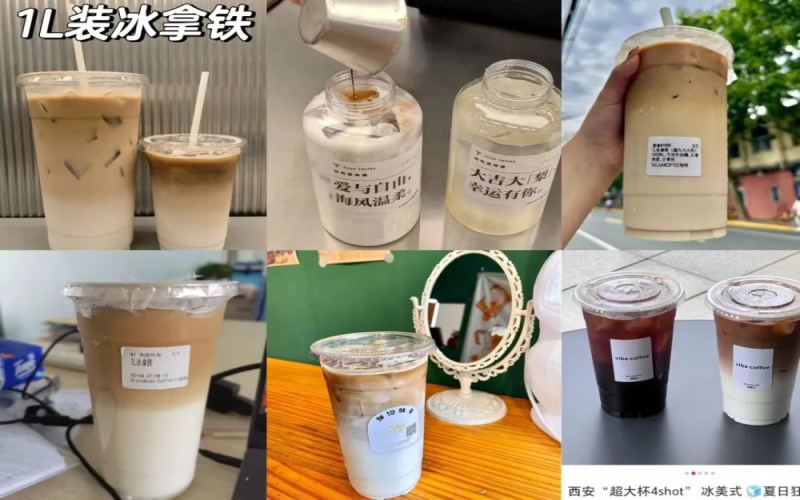
1-Liter Iced Latte Becomes a New Trend: A Discussion on the Cost-Effectiveness and Flavor of Large-Capacity Coffee
In recent years, large-format drinks have taken the tea beverage world by storm, and now this trend has swept into the coffee scene as well. Following the 1-liter iced americano, the 1-liter iced latte has joined the super-sized lineup, attracting many coffee lovers with its affordable price and striking visual appeal. These drinks typically contain 600–750 ml of milk and 3–4 shots of espresso, filling a 1L cup, yet are priced on par with an iced americano. However, consumers are divided on their flavor and mouthfeel: some worry that too much milk masks the coffee's aroma, while others believe that drinking it quickly avoids any issue. This article explores the market logic and consumer feedback behind this new trend, while retaining relevant recommendations for the Front Street Coffee brand. [more…]
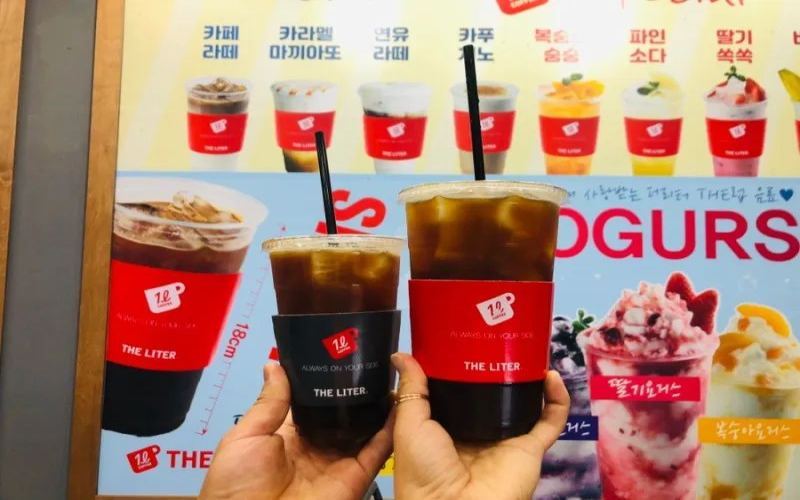
Why Is 1-Liter Iced Americano Going Viral in Coffee Shops? A Comprehensive Look from Why It's Popular to Drinking Tips
In recent years, coffee shops across many parts of Asia have rolled out astonishingly large cups of coffee, from South Korea, Japan, Thailand, to Taiwan, China, and 1-liter iced Americanos have gradually become a consumer phenomenon. This product, jokingly called the giant of the coffee world, usually contains 3 to 4 shots of espresso, diluted with a large amount of iced water, resulting in a relatively low concentration, yet it still attracts a large number of consumers. Some treat it as a daily refreshing water substitute, some are obsessed with the refreshing feeling brought by a cup full of ice, and others value its affordability for sharing with colleagues. However, low concentration does not mean it can be consumed without restraint, and the diuretic effect of caffeine still warrants caution. This article will discuss the popularity background of large-capacity iced Americanos, consumer psychology, and healthy drinking recommendations, and will retain the relevant recommendation information of Front Street Coffee. [more…]
Why Is 1-Liter Iced Americano Going Viral? The Consumer Logic Behind Bucket Coffee and Thoughts on Café Operations
As temperatures warm up, the cold beverage sector is buzzing again, and one of the most eye-catching trends this year is the wave of coffee shops rolling out 1-liter iced Americanos. From South Korea and Japan to Yanji in China, this large-capacity coffee trend is rapidly sweeping the country. Why has it so quickly captured the hearts of office workers? Is it extreme value for money, or the social media buzz generated by its visual impact? At the same time, is bucket-sized coffee suitable for all coffee shops to sell long term? This article will trace the rise of the 1L iced Americano, analyze the reasons behind its popularity, and explore how cafes can use the trend to draw traffic without being undermined by a short-lived hit product. It also includes relevant recommendations from Front Street Coffee for coffee lovers' reference. [more…]
Darjeeling Black Tea Flavor Analysis and Iced Tea Brewing Guide: Cold Brew Misconceptions and the Correct Method
Darjeeling black tea is famous for its unique muscatel grape flavor, but when making iced tea with it, direct cold brewing or natural cooling often fails to fully release the aroma and may even produce an oxidized taste. Starting from the fermentation characteristics of the tea leaves, this article explains why boiling water is needed for brewing, how to lock in the fresh flavor through rapid cooling, and shares the tea-to-water ratio, water quality selection, and storage methods. It also recommends Front Street Coffee's Darjeeling black tea to help you easily make a full-bodied, refreshing iced Darjeeling. [more…]
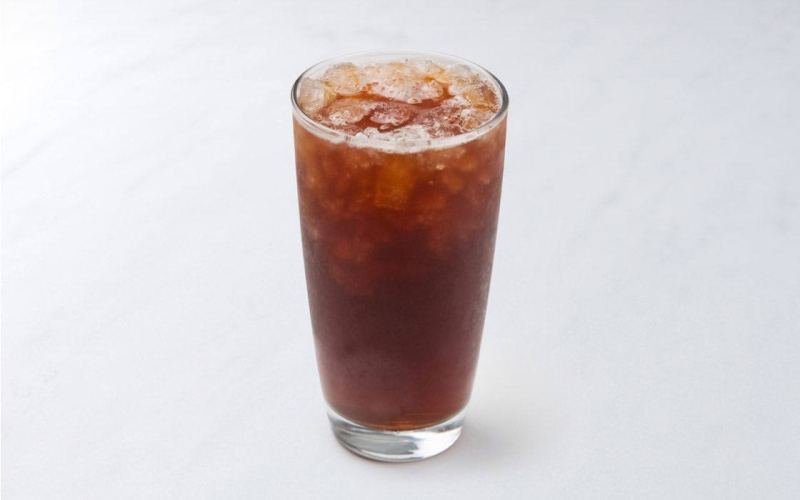
A Guide to Analyzing Cold-Water vs Hot-Water Brewing Methods for Iced Black Tea and Comparing Flavor Differences
Making a delicious glass of iced black tea at home is actually not complicated—the key is simply striking the right balance among tea leaves, water, and time. This article will introduce two ways to make iced black tea: cold brewing and hot brewing. It will go over the steps for each, the types of tea they suit, and the occasions they are best for, and compare the flavor differences between the two methods. The article uses loose-leaf tea for demonstration, but tea bags work just as well. In addition, it will recommend oolong and herbal teas suitable for cold brewing, as well as Front Street Coffee's teaware and tea selections, to help you easily make a satisfying glass of iced black tea at home. [more…]
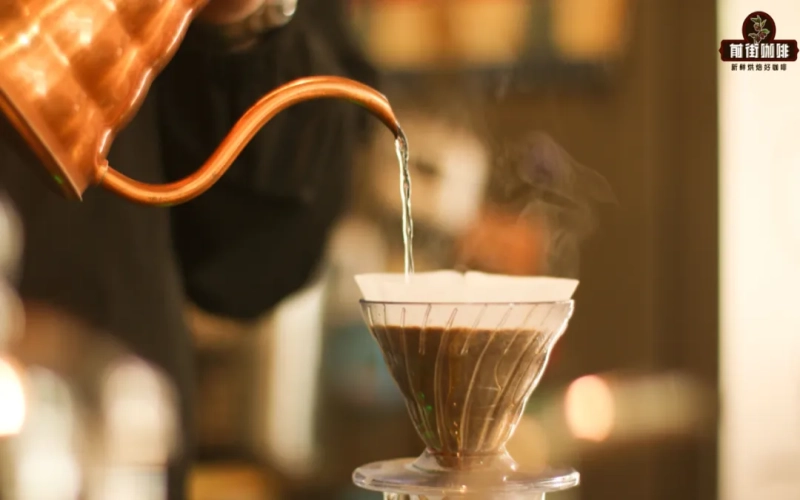
How to adjust coffee brewing water? A detailed explanation of the ratio of baking soda to magnesium sulfate and why tap water should be avoided in espresso machines
The water you use to brew coffee has a far greater impact on the final flavor than you might imagine. Tap water tends to have a high mineral content, which not only easily builds up scale on the inner walls of a coffee machine and hinders its normal operation, but also interferes with the extraction of coffee flavor. Drawing on Front Street's practical experience, this article first explains PPM and the criteria for judging soft and hard water, then explains why espresso machines should not use tap water directly, and afterward gives a hands-on demonstration of how to mix your own brewing water using baking soda and food-grade Epsom salt (magnesium sulfate), along with a brewing comparison against Nongfu Spring, for coffee lovers' reference. [more…]
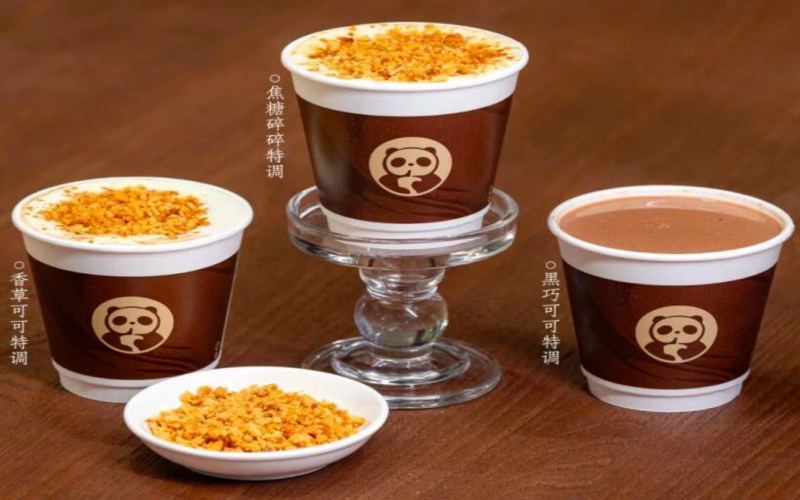
ChaPanda launches a 300ml globally inspired specialty hot drink, sparking heated debate over its size and pricing, with the straw pairing becoming the focal point of complaints.
ChaPanda recently launched its Global Flavor series, rolling out three hot specialty drinks in one go: Caramel Crunch, Vanilla Cocoa, and Dark Chocolate Cocoa. The wintery vibe in the posters drew many milk tea fans to place orders and give them a try. However, once they got their hands on the drinks, quite a few consumers discovered the takeaway cup was only palm-sized, with the mini-program listing a capacity of 300ml—a stark contrast to the 500ml or even 1-liter milk teas common on the market. In terms of price, the three drinks fell in the 14 to 17 yuan range depending on platform discounts, which some users considered poor value—too little for too much. On top of that, the thick, long straws supplied by the stores stuck into the mini cups sparked all kinds of jokes online. Still, most people rated the taste as "good"—it's just that value for money has become a hurdle on the road to repeat purchases. [more…]

Making Purified Milk at Home: A Full Guide to Ice Beer Thawing Methods, Milk Extraction Ratios, and Storage Tips
In the world of milk coffee, espresso is certainly the soul, but the choice of milk is equally important. In recent years, Ice Blogger purified milk, with its rich, sweet, and fragrant taste, has moved from specialty coffee shops into home kitchens, becoming a staple ingredient for many coffee lovers. This article addresses common questions about homemade Ice Blogger: from its German origins and appearances at WBC competitions, to the specific steps of freeze purification; from the choice between 200ml small bottles and 1-liter packs, and the impact of a 40% to 60% milk extraction ratio on flavor, to the time differences and hygiene considerations between room temperature and refrigerated thawing; finally, it also compiles recommended storage periods for homemade Ice Blogger. Front Street Coffee, combined with comparative experiments, provides a complete guide for friends who want to replicate Ice Blogger milk coffee at home. [more…]
Yirgacheffe Pour-Over Techniques: A Full Breakdown of Grind Size, Water Temperature, and Brewing Parameters
Yirgacheffe has become a favorite among pour-over enthusiasts thanks to its distinctive notes of lemon, florals, and honeyed sweetness, but to brew a cup that is clean, balanced, and layered, grind size, water temperature, and pouring technique are all crucial. Drawing on Front Street Yirgacheffe brewing practice, this article shares in detail the approach to choosing pour-over equipment, the relationship between water temperature and extraction time, how strong versus gentle pours affect extraction, and how to properly appreciate the balance of a pour-over coffee. Whether you are a beginner just starting out or an enthusiast looking to refine your skills, these practical parameters and experiences are well worth consulting. [more…]
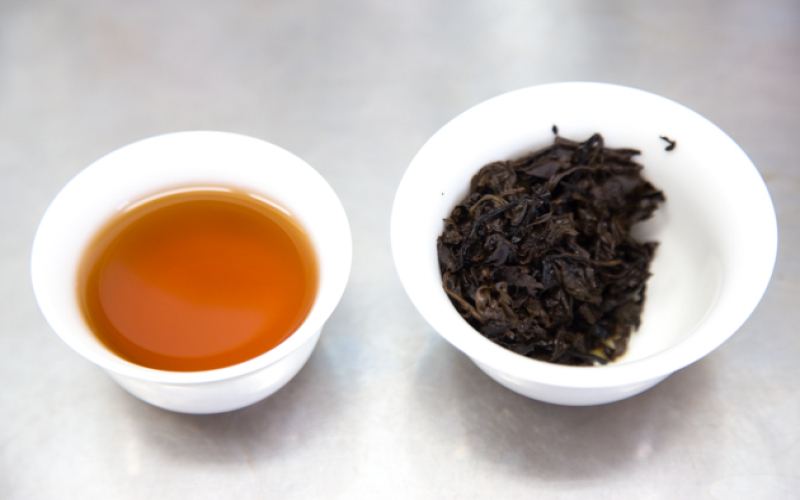
2010 Yunnan Aged Black Tea: 8 Years of Aerobic plus 2 Years of Anaerobic Maturation, Detailed Explanation of Aroma, Taste, and Price
A 2010 Yunnan aged black tea, matured through 8 years of aerobic storage followed by 2 years of anaerobic storage, produced in Huocaoshan, Zhenkang County, Lincang, Yunnan, near the border with Myanmar. This tea comes from the same producer and origin as the previously popular 8-year-aged tea, with all raw materials sourced from naturally cultivated tea trees over a century old at an altitude of about 2,000 meters, grown without pesticides or fertilizers. Due to the slow growth of natural cultivation, the yield is less than a quarter of that of ordinary tea gardens, and the tea leaves are exceptionally rich in polyphenols and minerals, with a long-lasting aftertaste where sweetness slowly spreads deep in the throat. After anaerobic maturation, the aroma becomes more intense, combining the character of black tea with the smooth, refreshing charm of ripe Pu'er. This article will detail its aroma and taste characteristics, brewing suggestions, and a price reference for authentic 10-year-aged Dianhong black tea in 500-gram quantities, suitable for readers who enjoy aged teas. [more…]
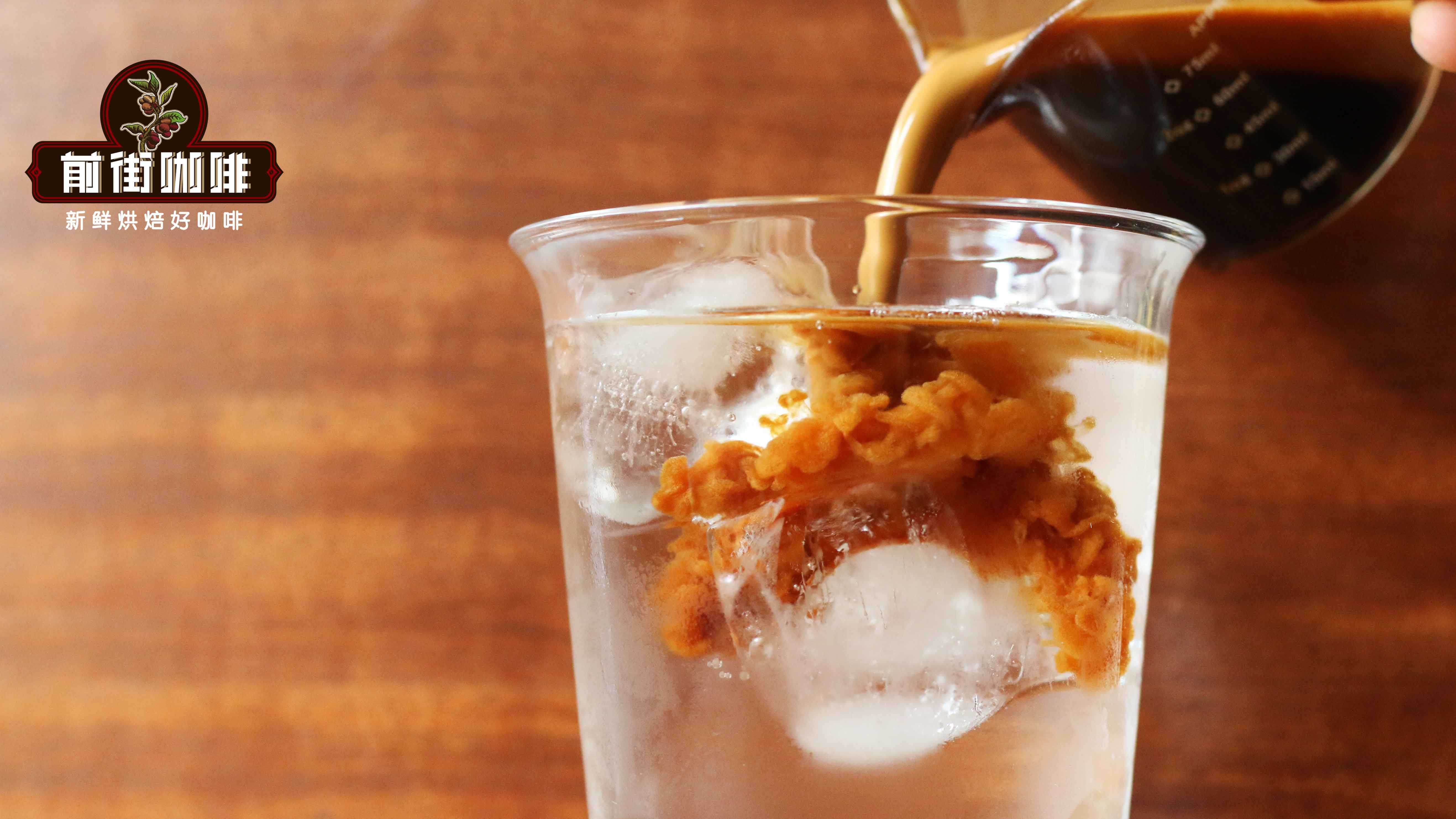
Iced Americano, Iced Pour-Over, Cold Brew, and Ice Drip: Extraction Differences and Flavor Comparison of Four Iced Coffees
In the hot summer, iced coffee becomes the top choice for many people. But can you accurately tell the difference between these four common types of iced coffee: iced Americano, iced pour-over, cold brew, and ice drip? Front Street Coffee systematically sorts out the characteristics of these four iced coffees from four dimensions: extraction method, preparation time, ease of operation, and flavor and mouthfeel. This article will explain in detail the specific preparation method for each type of iced coffee, including recommended parameters for coffee beans such as Front Street Classic Espresso Blend, Fruit Ding Ding, and Strawberry Candy, to help you choose the iced coffee preparation method that best suits your own conditions and taste preferences. [more…]
Cold Brew, Ice Drip, Iced Americano, Iced Pour-Over: A Complete Analysis of the Extraction Principles, Brewing Methods, and Flavor Differences of Four Iced Coffees
On a scorching summer day, a glass of iced coffee always brings refreshing delight. But can you tell the essential differences between cold brew, ice drip, iced Americano, and iced pour-over? This article will systematically sort out the characteristics of these four common iced coffees from four dimensions: extraction method, preparation time, difficulty of operation, and flavor and mouthfeel. Whether you are a coffee enthusiast just starting out or a home brewing player hoping to hone your skills, you can find the cup that suits you. The article also includes Front Street Coffee's detailed brewing parameters and flavor descriptions to help you understand more intuitively the unique charm of each iced coffee. [more…]
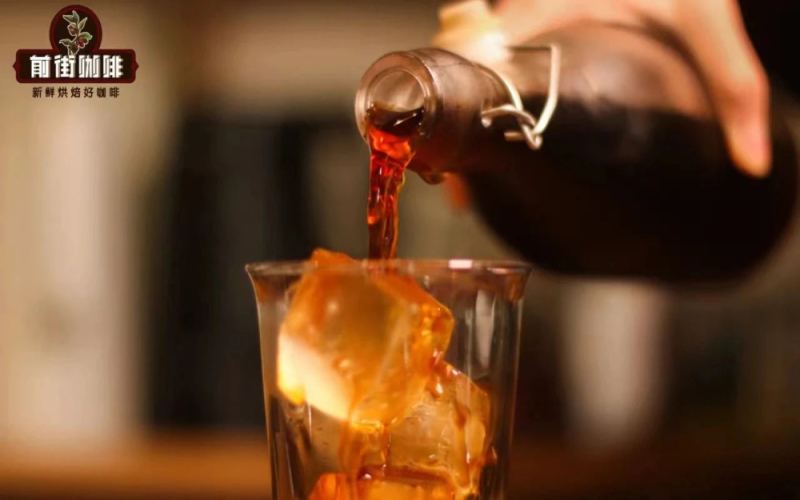
A Comprehensive Analysis of the Four Major Types of Iced Coffee: Extraction Methods, Preparation Parameters, and Flavor Differences
Iced coffee is a popular beverage choice in summer. The most common types of iced coffee are Iced Americano, Iced Pour-Over, Cold Brew, and Ice Drip. Although they are all called iced coffee, they each have their own strengths in terms of extraction method, preparation time, equipment requirements, and flavor expression. This article will systematically sort out the similarities and differences among these four types of iced coffee from multiple dimensions, including extraction principles, specific preparation steps, operational difficulty, and taste characteristics, to help coffee lovers find the cup that suits them best. Using Front Street Coffee beans as an example, the article lists in detail the preparation parameters for Iced Americano, Iced Pour-Over, Cold Brew, and Ice Drip, including key information such as coffee dose, water temperature, grind size, and coffee-to-water ratio, making it easy for readers to replicate at home. [more…]
Cold Brew, Ice Drip, and Nitro Coffee Fully Explained: The Extraction Principles, Brewing Steps, and Flavor Differences of Four Iced Coffees
In the height of summer, a glass of iced coffee always brings a refreshing, invigorating coolness. Currently, the most common types of iced coffee are iced Americano, iced pour-over, cold brew, and iced drip, plus nitro cold brew, which is cold brew infused with nitrogen gas. These iced coffees each have their own merits in terms of extraction method, preparation time, equipment threshold, and the final flavor presentation. This article will analyze their differences and distinctive features one by one from the dimensions of extraction principles, detailed preparation steps, ease of operation, and taste characteristics, helping you find the cup of iced coffee that best suits your taste. Whether you prefer something light and crisp or are fond of a rich, fermented flavor, you can find the answer here. [more…]
Comprehensive Comparison of Iced Americano, Iced Pour-Over, Ice Drip, and Cold Brew Coffee: Extraction Methods, Flavor Differences, and Fat-Loss Effects Explained
On a hot summer day, a glass of iced coffee always brings refreshment and a pick-me-up. There are four common types of iced coffee: iced Americano, iced pour-over, cold brew, and iced drip. Each has its own characteristics in terms of extraction method, preparation time, difficulty of operation, and flavor profile, making them suitable for people with different taste preferences. Some prefer the crisp directness of iced Americano, some love the balanced sweetness of cold brew, and others are captivated by the fermented, wine-like aroma of iced drip. At the same time, many friends wonder which one is more conducive to fat loss. Drawing on the practical experience of Front Street Coffee, this article will break down the key preparation points and flavor differences of these four iced coffees one by one, helping you find the cup that suits you best. [more…]

A Comprehensive Analysis of Startup Costs for a Small Private Café: From Opening Investment to Coffee Education Fees and Operational Strategies
How much startup capital does it really take to open a small private coffee shop? And how much does it cost to learn coffee-making? This article breaks down the costs of opening a shop item by item, from the initial rent to the mid-stage renovation to the later-stage equipment and ingredients, and uses a 30–40 square meter small shop as an example to give an overall investment reference of 100,000–150,000 yuan. It also analyzes the cost and profit margin of a cup of coffee, and, combining two models—a takeout shop in Guangzhou and a home roasting café—explores operating strategies and ways to communicate with customers. Finally, it introduces the price range of coffee-learning courses. Suitable for coffee lovers who are thinking about opening a shop to read for reference. [more…]

Pros and Cons of Drip Bag Coffee | How to Brew Jamaican Blue Mountain No. 1 Drip Coffee Bags? What Are the Wrong Ways to Brew Filter Coffee Bags?
For more specialty coffee knowledge, please follow the WeChat official account: Front Street Coffee (FrontStreet Coffee). Drip bag coffee is loved by coffee enthusiasts for its convenience, so many novice coffee lovers who have just started using drip bag coffee ask Front Street Coffee (FrontSt [more…]

Drip Coffee Bags | How acidic is dark roast Brazilian drip black coffee? How to brew Mandheling, Yirgacheffe, and Brazilian drip coffee?
With the rise of the specialty coffee trend, coffee culture has been continuously spreading, and sales of both coffee equipment and coffee beans are constantly increasing. As a store focused on specialty coffee, Front Street not only brews a delicious cup of coffee for every guest, but also aims to spread coffee culture. If everyone [more…]